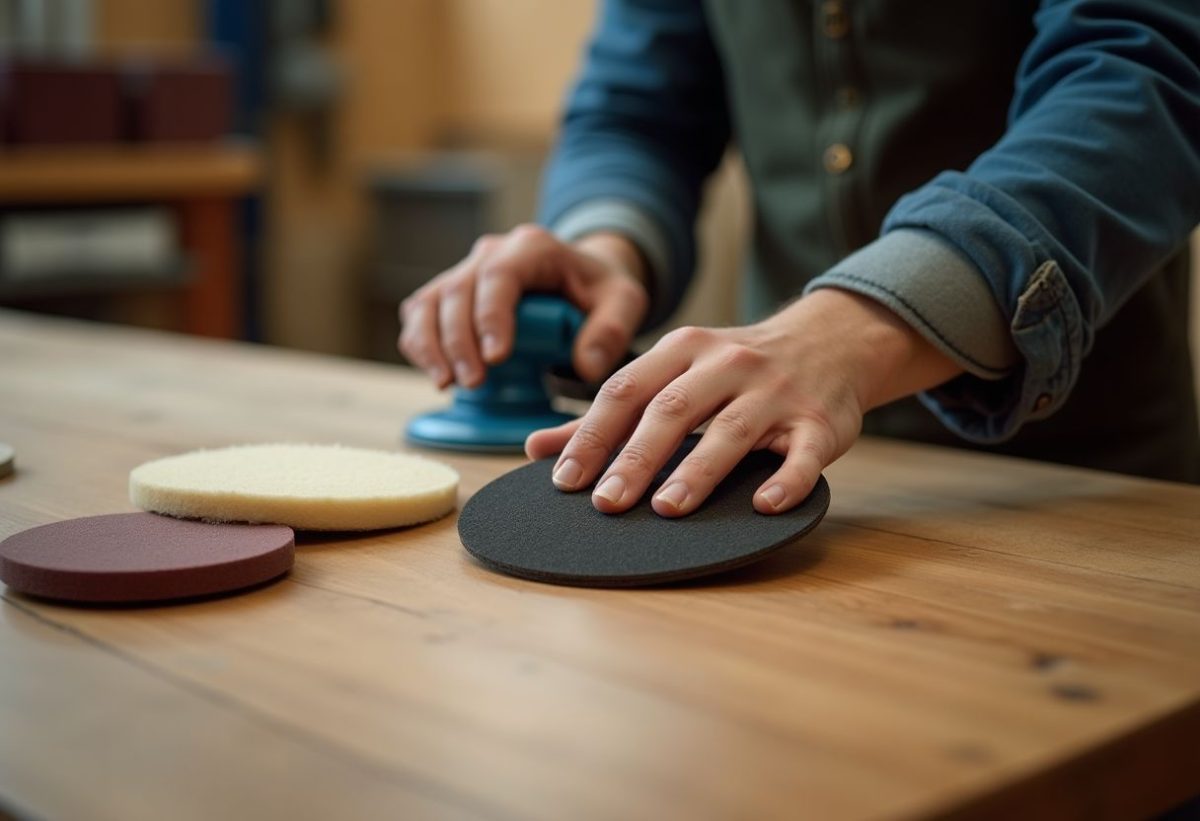
The polishing disc is an essential tool for anyone looking to achieve a flawless finish on various surfaces. Whether it’s for a car body, a wooden piece of furniture, or even a marble countertop, this accessory is indispensable for DIY enthusiasts and professionals alike. In an era where appearance and finish matter as much as functionality, understanding the subtleties of the polishing disc can make all the difference.
Understanding how the polishing disc works
The polishing disc operates through abrasiveness and rotation to smooth and refine a surface. It is often made from materials such as foam, wool, or microfiber, each having its own advantages.
- Foam discs are ideal for working on delicate surfaces. They offer the necessary flexibility to adapt to contours and reduce the risk of overheating.
- Wool discs are more aggressive and better suited for removing deep defects. They are often used for initial polishing.
- Microfiber discs are perfect for finishing, providing a soft and even polishing capability for a brilliant result.
By choosing the right type of polishing disc, you can customize your polishing techniques and achieve professional results.
Selecting the ideal disc for your needs
Selecting the right polishing disc depends on several factors, including the type of surface to be polished, the condition of the surface, and the desired outcome. It is essential to clearly identify your needs to make an informed choice.
For metal surfaces, prioritize foam discs that offer a good balance between aggressiveness and gentleness. For painted surfaces, such as car bodies, microfiber discs are recommended to preserve the integrity of the paint while producing a brilliant shine. In contrast, for rough surfaces like untreated wood, opt for wool discs to effectively smooth out imperfections. Finally, for precise and delicate finishes, a soft finishing disc is highly recommended.
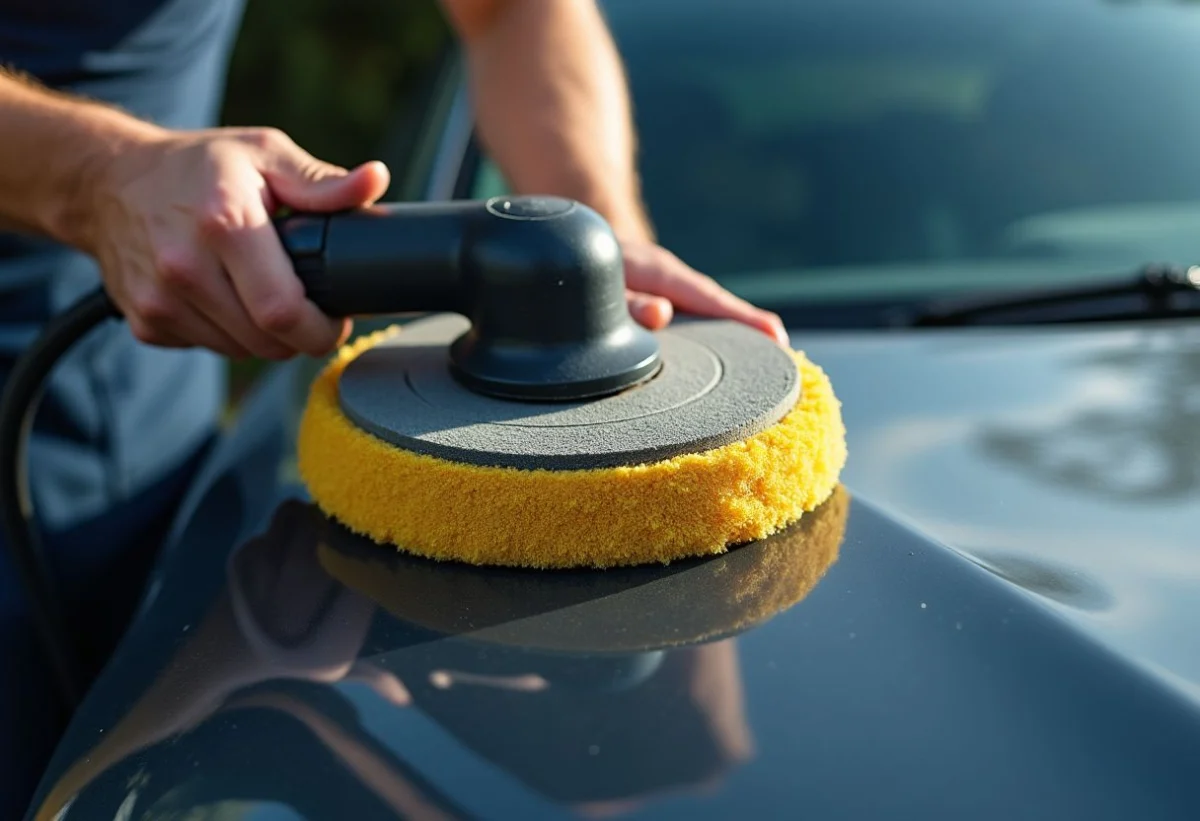
Advanced polishing techniques
Polishing techniques vary depending on the type of disc used and the desired effect. A good mastery of these techniques can significantly improve the results obtained.
- Using circular motions: Keep the disc in constant motion to avoid overheating and circular marks.
- Moderate pressure: Apply even pressure to ensure regular wear and uniform polishing.
- Choosing the appropriate speed: Adjust the rotation speed according to the material and the disc used for optimal control.
These techniques, although simple, require regular practice to be mastered. They allow you to get the most out of your polishing disc and achieve a perfect finish.
Maintenance and durability of the polishing disc
Proper maintenance extends the lifespan of your polishing disc and maintains its performance. Here are some tips for optimal equipment maintenance.
Clean your disc after each use to prevent the buildup of abrasive residues and dust that could damage surfaces during subsequent uses. Store the discs in a dry place and away from excessive heat to avoid material deformation. Replace the discs as soon as they show signs of wear, such as loss of abrasiveness or visible damage. These simple precautions will ensure prolonged and effective use of your polishing disc.
By exploring the multiple facets of the polishing disc, it becomes clear that this tool is much more than just a DIY accessory. It is a true ally in the quest for smooth and shiny surfaces, capable of restoring a like-new shine to everyday objects. With a thorough understanding of its types, applications, and maintenance, polishing becomes an accessible activity for all, allowing for finishes worthy of a professional.