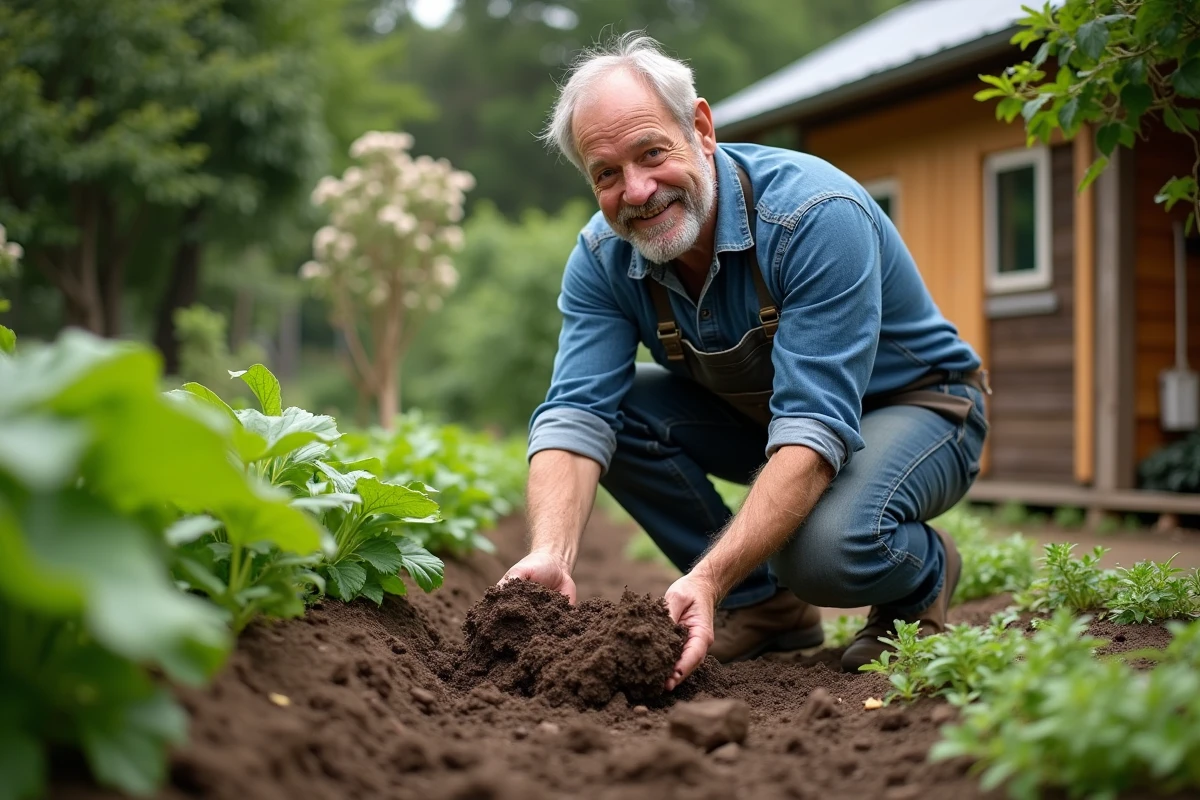
Some natural fertilizers remain underutilized despite their recognized effectiveness. Horse manure, traditionally used in agriculture, is now more accessible thanks to major retail brands. Lidl offers a packaged version suitable for domestic use, meeting quality and practicality criteria that are uncommon in this sector.
This product is aimed at an audience looking for a reliable organic amendment that is easy to transport and ready to use. Its use presents specific advantages that distinguish Lidl’s horse manure among the available solutions for enriching vegetable garden soils.
Horse Manure: A Natural Ally for Vegetable Garden Fertility
It is impossible to ignore the presence of horse manure in the history of market gardening. Its unique composition, a mix of droppings, urine, and plant bedding (usually straw or wood chips), makes it a significant asset for revitalizing the soil and energizing garden life. Its well-balanced carbon/nitrogen ratio accelerates the transformation of organic matter into stable humus, ensuring fertile soil over time.
Adding this type of manure gives the soil a more flexible structure. Heavy soils become lighter, air and water circulate better, and microbial life is stimulated. Earthworms, valuable allies but often invisible, gradually transform these contributions into nutrients usable by plants. The result: soil that breathes, retains moisture better during dry periods, and warms up more quickly as the first sunny days arrive.
But the benefits of horse manure go beyond just its effect on soil texture. Whether cultivating in permaculture or in a more traditional way, this amendment actively contributes to the formation of humus, limits erosion, and strengthens crop resilience. For heavy soils, it acts as a natural regulator, without resorting to synthetic products.
If you feel the urge to delve deeper into the subject, Lidl’s horse manure on Conseil Jardinage gathers a wealth of concrete information: uses, recommended quantities, precise application methods. This approach is part of a transmission logic: promoting sustainable agricultural practices that align with current expectations for sustainability.
What Specific Advantages Does Lidl’s Horse Manure Offer for Your Crops?
What distinguishes Lidl’s horse manure? A remarkable balance between different nutrients. Nitrogen, phosphorus, potassium, calcium, magnesium… all present to support plant growth and provide gradual fertilization. Demanding vegetables, such as tomatoes, squash, potatoes, and cabbage, benefit from a living and enriched soil. Organic matter, as it decomposes, sustainably feeds the vegetable garden and promotes the creation of humus.
Here’s what each element brings to your crops:
- Nitrogen: stimulates the growth of leaves and stems, driving vegetative development.
- Phosphorus: essential for strong rooting and flowering.
- Potassium: enhances plant resistance and supports the maturation of fruits and vegetables.
- Calcium and magnesium: essential for soil balance and cellular vitality.
Regular applications of this manure transform the soil structure: it becomes more aerated and better able to store water. Compacted soils loosen up, and underground life flourishes. Worms, microorganisms, and bacteria accelerate decomposition and release nutrients over the weeks.
For certain vegetables, such as onions, garlic, shallots, and root vegetables like carrots or turnips, it is better to space out or moderate the direct application of manure. Alternating with compost or green manure naturally balances fertilization, limits excesses, and respects the garden ecosystem.
Practical Tips for Effectively Using This Fertilizer in the Garden
Lidl’s horse manure reveals its potential when it is well-matured and applied wisely. Prefer composted manure, matured for six to twelve months, to avoid damaging young roots and reduce the presence of pathogens or parasites. A well-ventilated, moist but not waterlogged pile, turned regularly, results in a homogeneous product.
Autumn is the best time to spread semi-mature or mature manure on your plots. Plan for between 1 and 3 kg per square meter (about one wheelbarrow for 10 m²), spreading it in a light layer on the soil surface. Then cover with straw or dead leaves: this action limits evaporation and accelerates the transformation into humus while protecting soil fauna. Stimulated microorganisms begin their work of digesting organic matter.
In spring, turn to a well-decomposed manure. Apply it on the surface or when preparing the planting beds, avoiding burying it deeply to preserve soil aeration. For the most demanding plants, such as tomatoes, squash, and potatoes, adjust the quantity and combine with other amendments like compost or wood chips to maintain sustained fertilization over time.
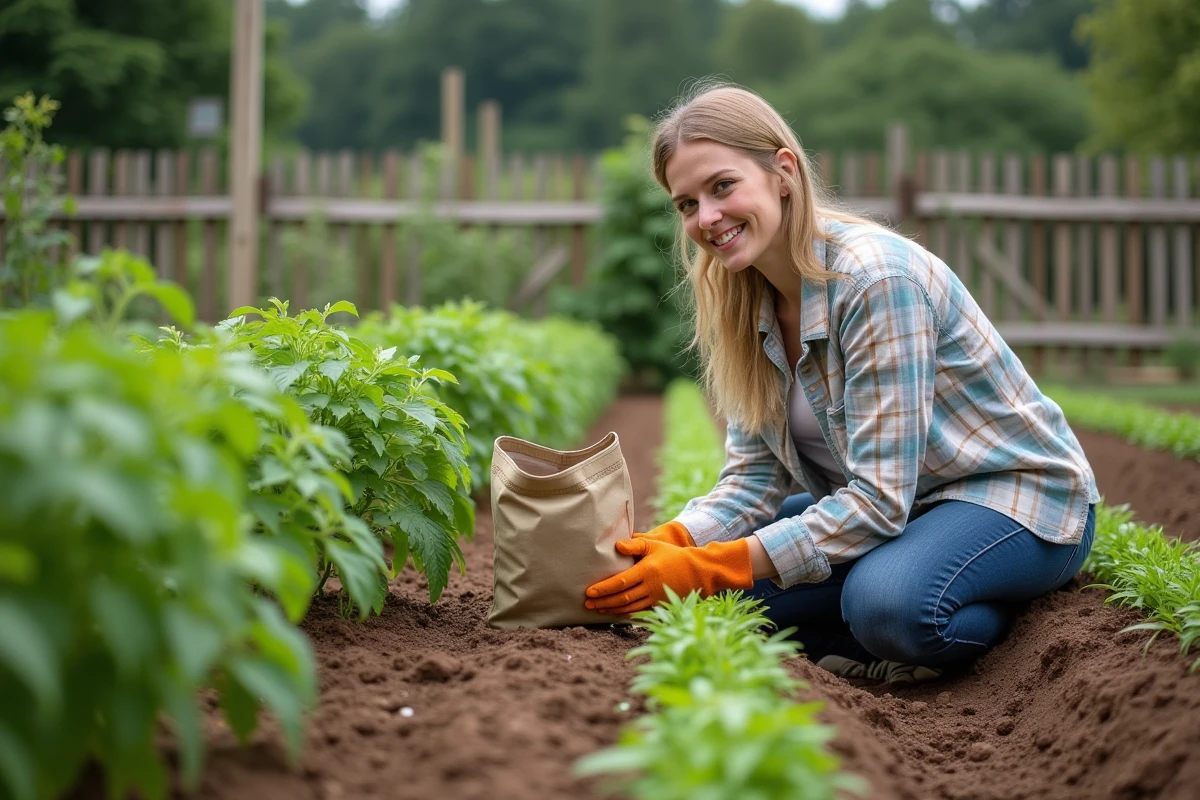
The dehydrated manure sold in bags, more concentrated, is used at a rate of 0.5 to 1 kg/m². Adjust according to your soil texture: compact soils will appreciate the addition of droppings, straw, and chips that lighten and warm them, while sandy soils will see their water retention capacity and biological life enhanced.
Adopting Lidl’s horse manure is a choice that reconciles effectiveness, simplicity, and respect for the land. In a few months, when the vigor of your harvests speaks for itself, just take a look at your vegetable garden to measure the progress made.