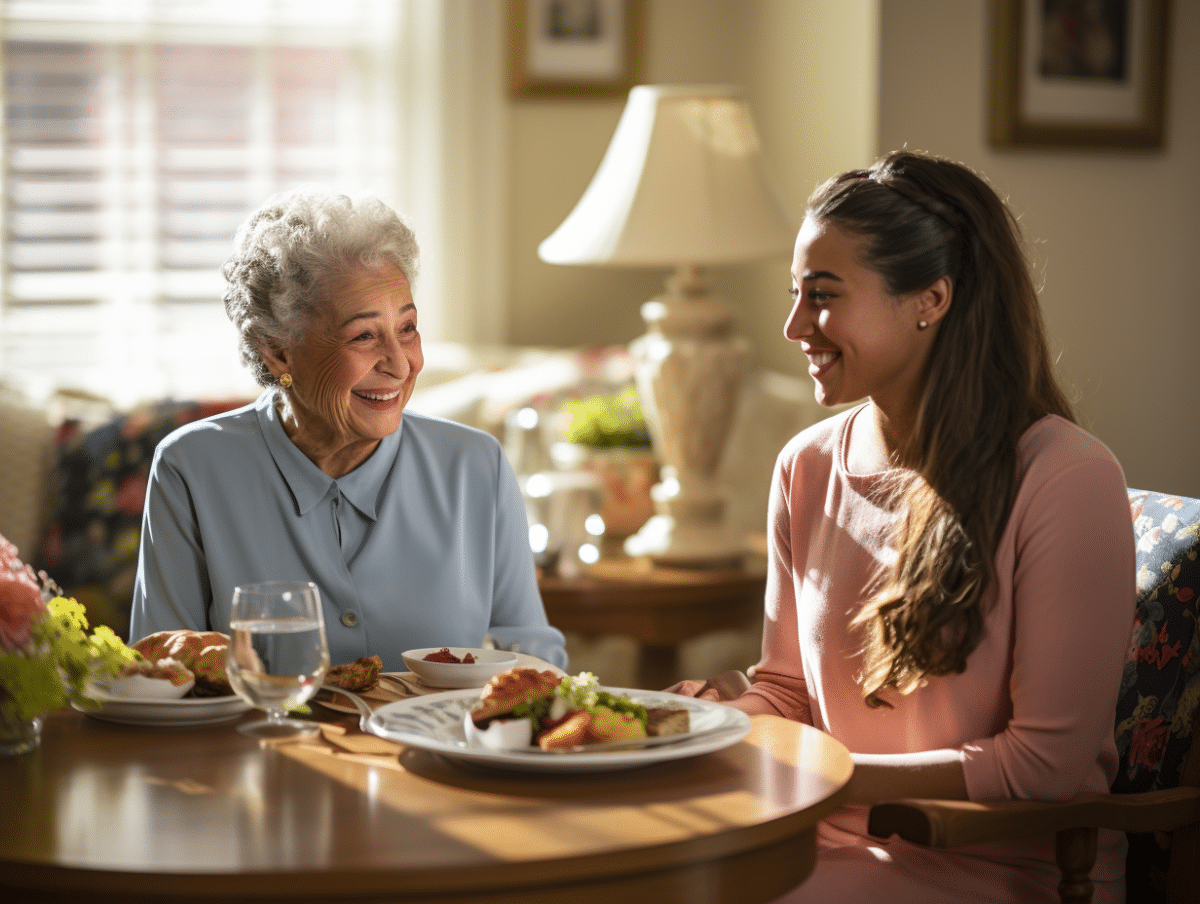
In the field of nursing, the theory developed by Virginia Henderson in the 1950s revolutionized patient care. This approach, centered on the fundamental needs of the individual, resonates particularly with seniors, a population that has specific needs due to the evolution of their health status and autonomy. Examining the applicability of Henderson’s theory in elderly care reveals unique perspectives and challenges. Healthcare professionals rely on her principles to develop personalized care strategies aimed at maintaining the independence and dignity of seniors.
The Theory of Virginia Henderson and Its Application in Senior Care
Virginia Henderson, an American nurse, educator, and researcher, developed an innovative care model centered around 14 fundamental needs. These needs, ranging from breathing to learning, including dressing and the feeling of security, form the basis of a holistic approach to patient care. In terms of senior care, applying Henderson’s theory allows professionals to focus on the autonomy and well-being of elderly individuals, thus promoting their staying at home.
The organization Tous en Tandem concretely illustrates this principle with its offer of workshops specifically designed for seniors. These workshops are designed to meet the essential needs identified by Henderson, particularly in terms of leisure, physical activities, and socialization. Stimulating these dimensions contributes to preserving independence and quality of life for seniors, which are fundamental aspects of meeting the needs of elderly individuals.
Healthcare professionals and nursing students can deepen their understanding of Henderson’s theory through various resources, including the document “the 14 needs of Virginia Henderson PDF,” which details the classification and offers practical application suggestions. This resource becomes a valuable tool for establishing a patient’s history or designing a nursing data collection, ensuring that all aspects of the senior’s life are taken into account for comprehensive and respectful care of their needs.

Resources and Tools to Integrate Henderson’s Theory into Nursing Practice
Training healthcare professionals in Virginia Henderson’s theory often begins in institutions dedicated to nursing education, such as the Army School of Nursing, where Henderson herself studied. This initial training must include a thorough understanding of the conceptual model of Henderson, in order to prepare nurses to integrate these principles into their daily practices.
The International Council of Nurses has played a key role in disseminating Henderson’s model, contributing to its international reach. Through this organization, nurses can access various resources, such as publications and conferences, which allow them to embrace the 14 fundamental needs and apply them within their profession.
The World Health Organization (WHO), with its holistic definition of health, aligns with Virginia Henderson’s principles by encouraging an approach that goes beyond disease healing, encompassing physical, mental, and social well-being. This vision perfectly matches Henderson’s model and serves as a reference for nurses to develop comprehensive and personalized care plans.
The writings of Walter Hesbeen, particularly on the distinction between ‘doing care’ and ‘taking care’, enrich the reflection on the application of Henderson’s theory. His works provide an additional framework for caregivers eager to engage in a nursing care approach centered on the person and their intrinsic needs. These theoretical and practical tools are essential for the effective implementation of the care model in the management of seniors.